
Blog

- All Posts
- AP® Calculus
- AP® Exams
- AP® Precalculus
- AP® Statistics
- General
- Math Medic Core
- Nonprofit
- Pedagogy
What are the Best Ways to Use AP Daily Videos?
AP Daily videos can help student solidify their understanding of new statistical concepts. But what is the best way to use them?
Math Medic Desmos AP Exam Review Activities
Here we have a collection of Desmos activities that were specifically developed to help students get ready for the AP Statistics Exam!

Teaching the Chain Rule with Lindt Chocolate
The Chain Rule is one of the most important tools students will need to evaluate derivatives. The Chain Rule is the basis for implicit…

A New Approach to Teaching Integrals
Learn how to best sequence the ideas of Unit 6 to develop deep conceptual understanding of integrals.
Unit 2: Exploring Two-Variable Data
The new College Board Course and Exam Description requires AP Stats teachers to make some changes in the way they teach two-variable data.
How to Write a Great Test for AP Statistics
Use the same format as the AP Exam The AP Statistics Exam consists of 40 multiple-choice questions and 6 free response questions….
AP Statistics Exam Review Strategy: The Practice Exam
One of the best strategies to help students prepare for the AP Statistics Exam is, well, an AP Statistics Exam. One that is real deal…
Yo Math Medic. Where Are All Your Guided Notes?
In this post, we outline exactly how we give students the formal learning that is needed for later success on the AP Exam.
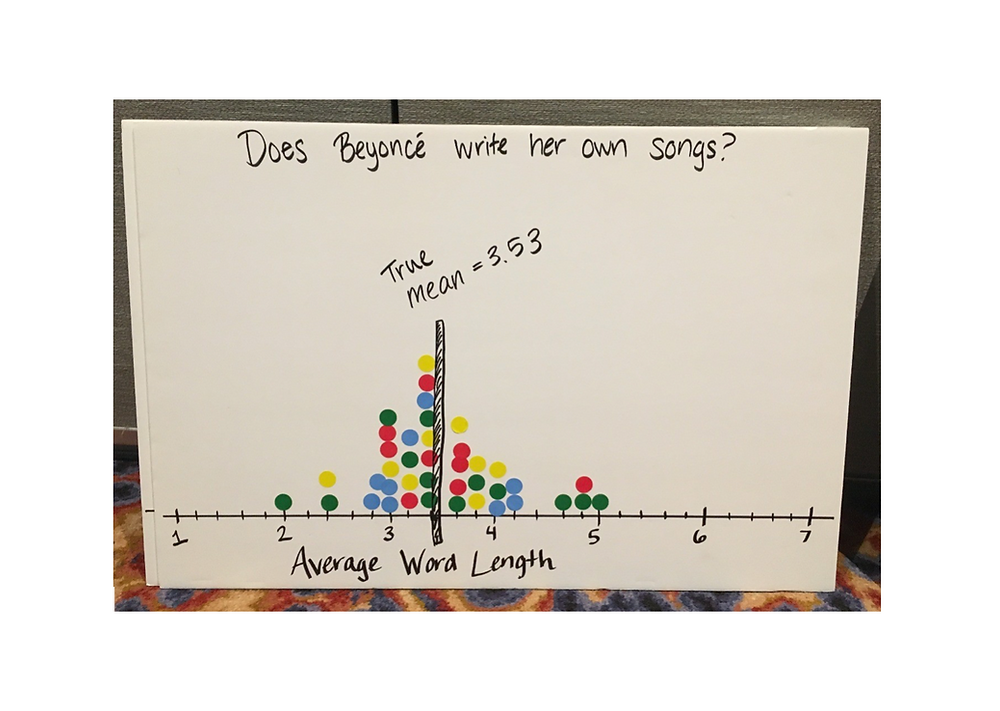
What Does This Dot Represent?
In this blog post, we reveal the ultimate solution to helping students understand inference – a simple question that the teacher can ask.
Is There a Lesson for That?
Everything you need to know about how the Math Medic courses were designed and resources to make them work for YOU!
New School Year, New Applets!
New applets for teaching the concepts of sampling distributions, confidence intervals, power, and inference for slope.
What Does the Research Say About EFFL?
Get a high-level summary of our recent article in NCTM’s Mathematics Teacher: Learning and Teaching PK-12 journal.